ENHANCE YOUR IMMUNITY DURING COVID-19 PANDEMIC !
 |
Considering the current pandemic of COVID-19 where no effective preventive and curative medicine is available, a healthy immune system is one of the most important weapons.
It is well-recognized that nutrition is a crucial factor in modulating immune homeostasis. Protein-energy malnutrition or even subclinical deficiencies of one micronutrient may impair one’s immune responses.
So, let's look at ways to optimize our nutritional status so as to prevent the viral infection!!

There are several vitamins and trace elements which are essential for the normal functioning of the immune system. These include the following :
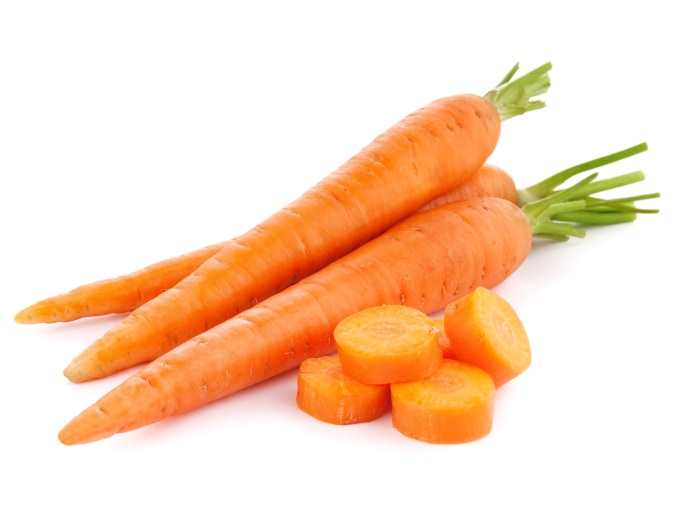
- VITAMIN A - Apart from its various functions, Vitamin A is known to play an important role in enhancing immune function, and having a regulatory function in both cellular and humoral immune responses. Green leafy vegetables like agathi, drumstick, amaranth, fenugreek, gogu, colocasia and coriander leaves are a rich source of this vitamin. Absorption of beta carotene from GLV is very high which implies that they have a high bioavailability. Yellow orange fruits and vegetables like carrot, mango & tomato also contain significant amounts of Vitamin A. Other sources include sweet potato, curry & mint leaves. They provide a first line of defense against invading microorganisms. They also reduce the severity of certain types of respiratory infections like pneumonia and bronchiolitis.


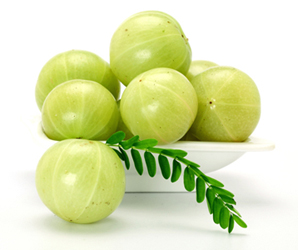
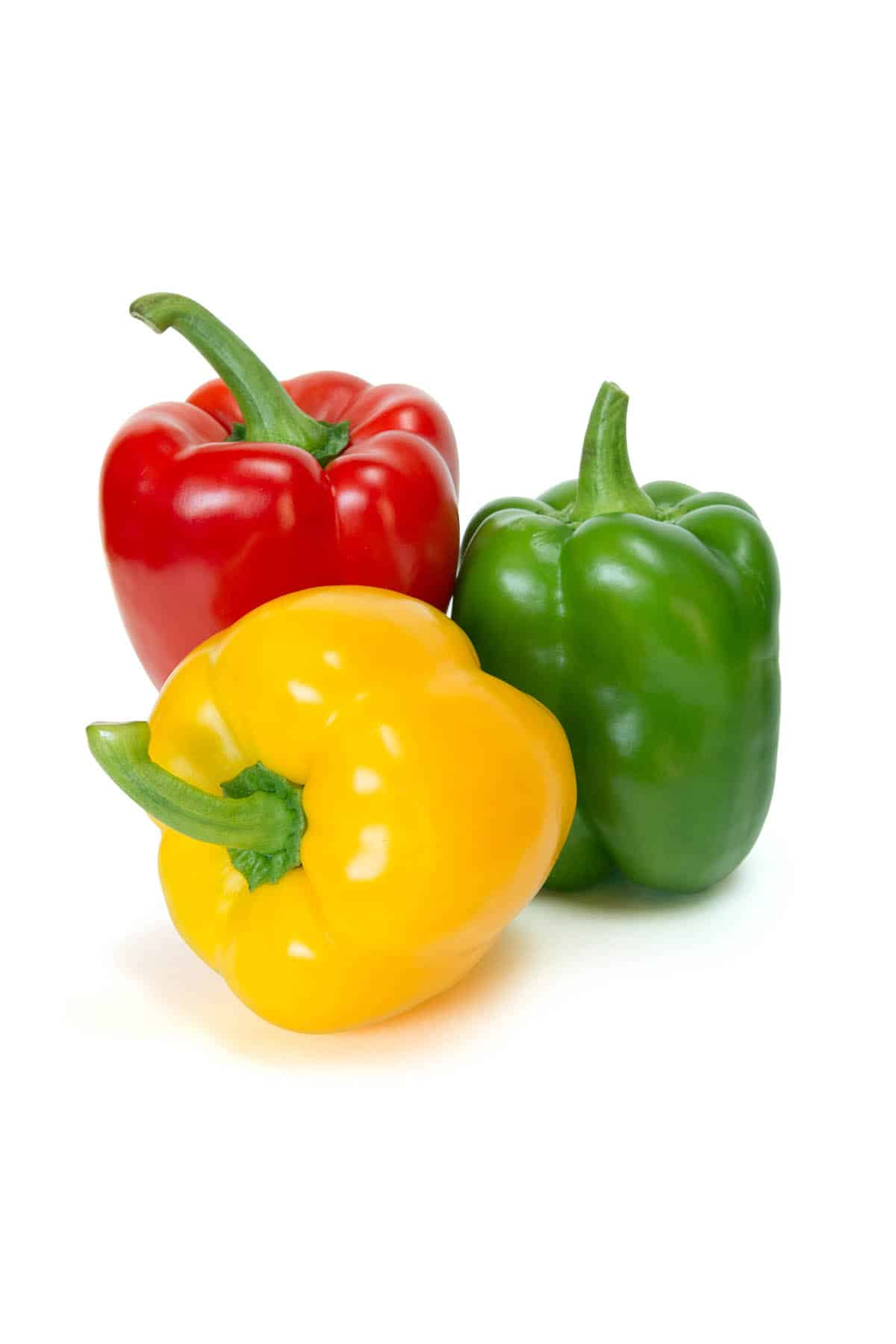
- VITAMIN C - Being a powerful antioxidant vitamin, it helps to scavenge many types of oxidizing free radicals! It is known as an enzymatic co-factor for physiological reactions in the body, such as hormone production, collagen synthesis and immune potentiation. It enhances the synthesis of immunoglobulins and increases the phagocytic action of leucocytes. Amla is the richest source of ascorbic acid and should be consumed raw for maximum benefits. Guavas (both white and pink flesh) are power packed with the nutrient. Other sources include - Green leafy vegetables (parsley, drumstick, amaranth, agathi), Capsicum (red, green and yellow), Citrus fruits (grapefruit, orange, lemon and sweet lime), Raw mango, Black currants, Karonda and Strawberries!

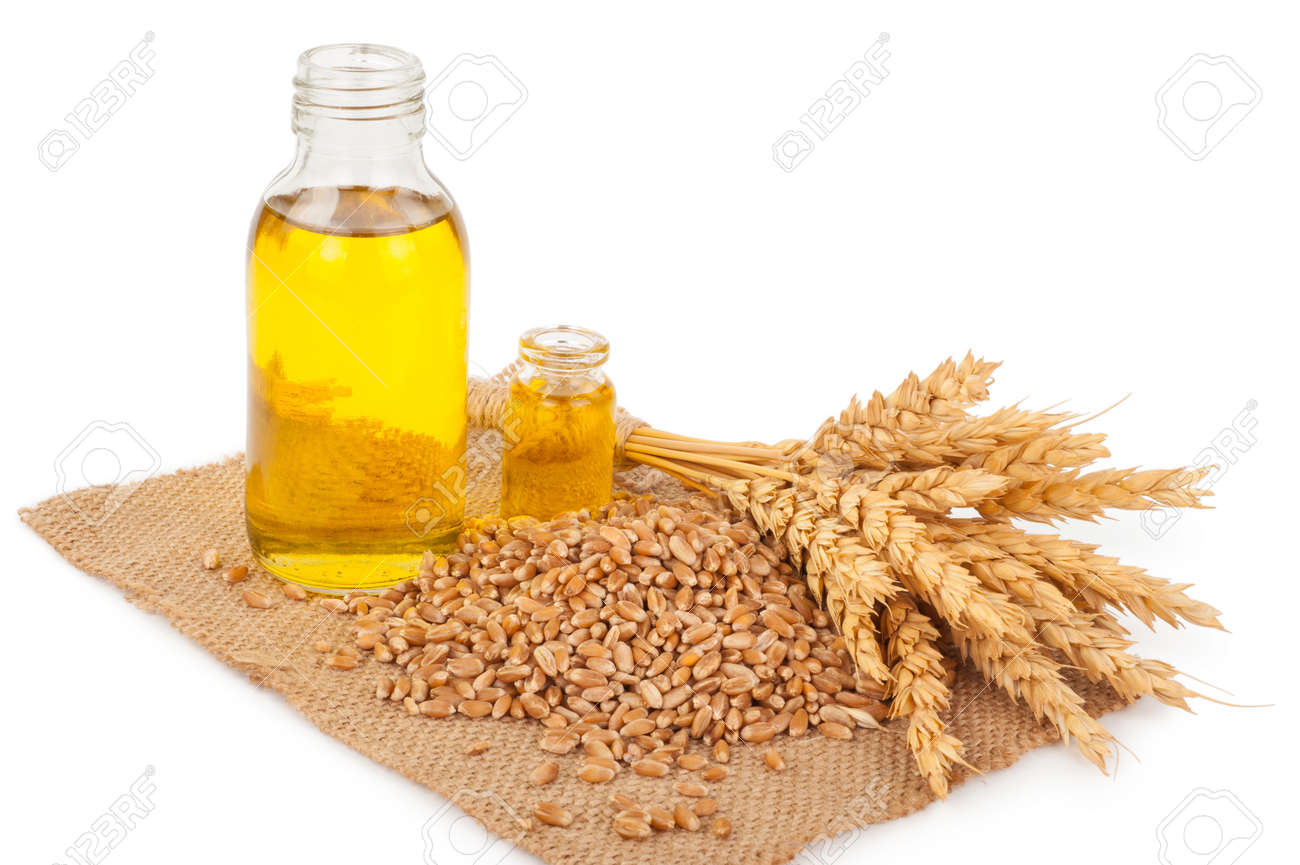
- VITAMIN E - It is a fat-soluble vitamin & a potent antioxidant which also has the ability to modulate host immune functions. Vitamin E deficiency is known to impair both humoral and cellular immunity. A 'synergy' is found with other antioxidants - vitamin A and carotenoids (each antioxidant enhances the others' effects). In general plant foods are richer sources of tocopherols than animal foods. Vegetable oils, nuts and seeds are the richest sources. Almonds, pistachio nuts, safflower seeds, sunflower seeds, linseeds, walnuts, quinoa, bengal gram, zucchini are great sources. Oils like wheatgerm, rice bran, mustard, groundnut, sesame have high amounts of antioxidants.


- VITAMIN D - It is another fat-soluble vitamin, that plays a vital role in modulating both innate and adaptive immune responses. Epidemiological data has linked vitamin D deficiency to increased susceptibility to acute viral respiratory infections. The best source of vitamin D is UV-B radiation from the sun. Exposing our skin to sunlight for 20 minutes daily is beneficial. The best time is during the mid-day. Indian Council of Medical Research recommends a daily supplement of 400 IU/day for Indians under situations of minimal exposure to sunlight.

- ZINC - It is an essential trace element which plays an important role in growth, development, and the maintenance of immune function. Zinc deficiency has been associated with an increased susceptibility to infectious diseases, including viral infections. Most cereals and pulses include good amount (2-4 mg) of this mineral. Nuts and oilseeds contain high amounts of zinc. Other sources include cottage cheese, curd, poultry, meat, oysters and eggs.

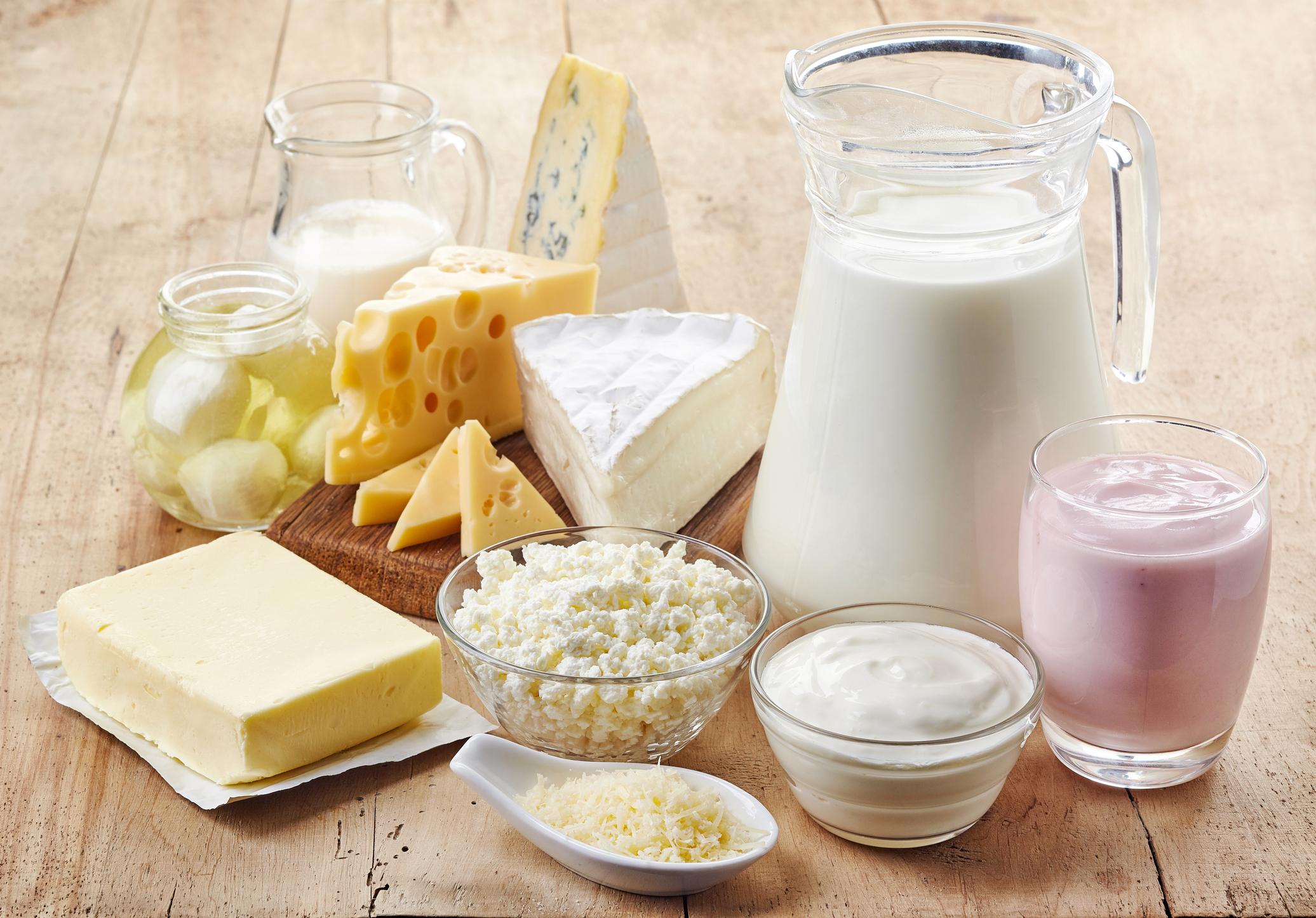

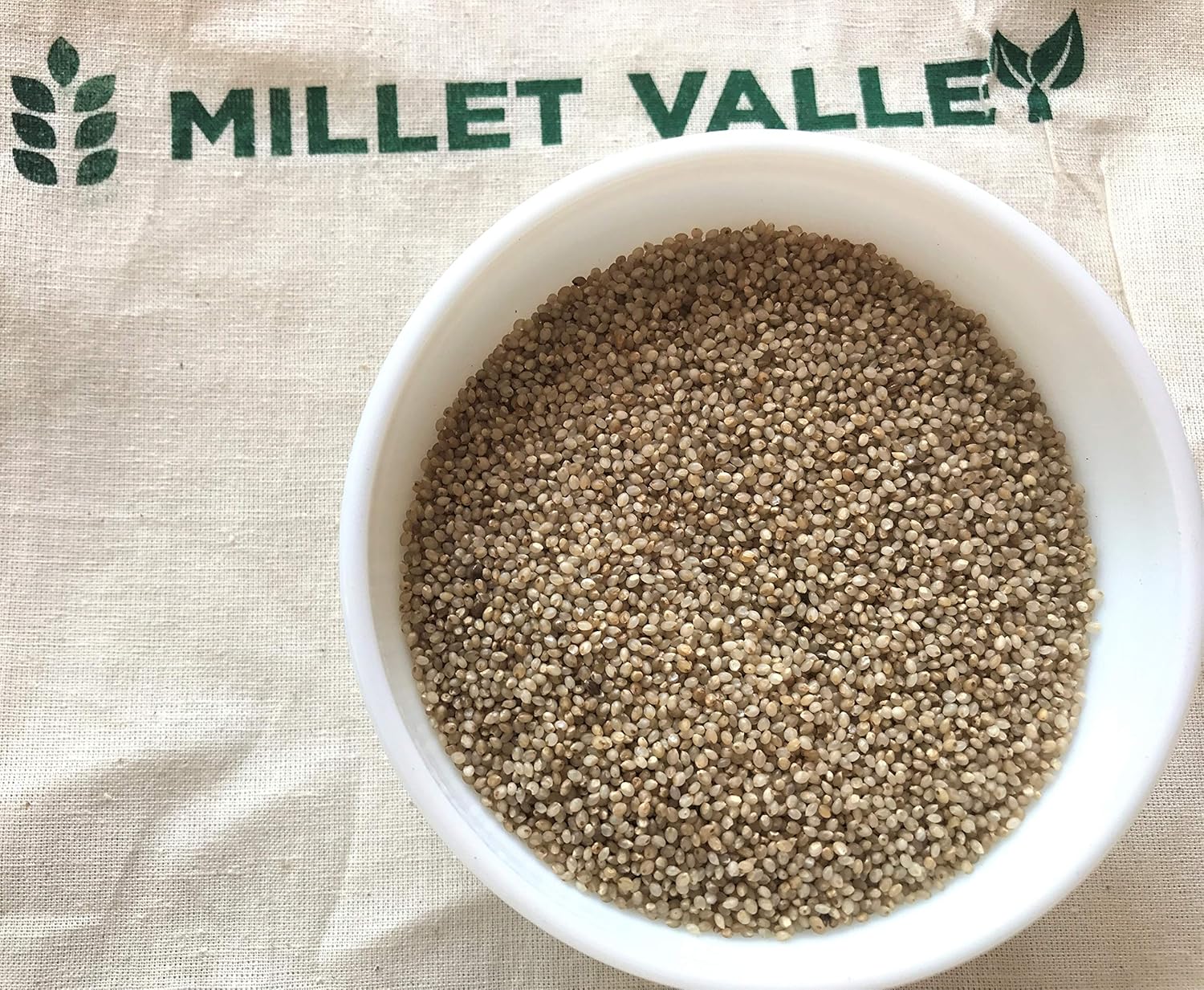
- SELENIUM - It is another trace element that has a wide range of pleiotropic effects, ranging from antioxidant effects to anti-inflammatory properties. Low selenium status has been associated with an increased risk of mortality & poor immune function, while a higher selenium concentration or selenium supplementation has shown antiviral effects. Bio-availability is good from cereals and millets (Bajra, Jowar, Samai & wheat flour). Legumes like bengal gram, green gram, lentil dal & peas have good amounts of selenium. GLV like agathi, beet greens, radish leaves; Seeds like garden cress seeds, brown gingelly seeds, gray niger seeds; Milk products like khoa and paneer; Eggs and seafoods are rich sources.


WHAT MORE ???
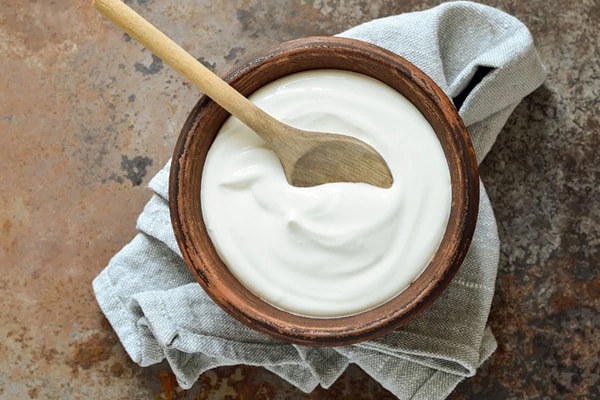
Apart from these nutrients, probiotics also stimulate immune response by increasing the antibody production. Hence, one should have yoghurt regularly. There are many ayurvedic herbs ( giloy, tulsi, neem, etc) & spices (turmeric, nutmeg, ginger, etc) that help prevent viral infections. Garlic is another important culinary ingredient which supports our immune system. Honey also acts as a potential natural antioxidant...


/GettyImages-149107499MultibitsPhotolibraryGarlic-56a0b9733df78cafdaa461e1.jpg)

TO SUM IT UP !!!
For a viral disease like COVID-19, where no pharmacological strategies for prevention or treatment are presently available and where the exact time of the ending of the alarming situation is unknown, nutritional management for enhancing immunity is something to be followed at individual levels! Also, one should not overdose on any of these nutrients as it can lead to toxicity in the body! A well balanced and varied diet is essential not only to minimize nutrient deficiencies, but also to avoid unnecessary excess consumption or supplementation.
- Pragati Saraogi
Much needed post during this pandemic. ❤❤❤
ReplyDeleteYessss! 😊😘
DeleteVery knowledgeable 👌💯
ReplyDeleteThanks 💖
DeleteGood effort ♥️♥️♥️keep it up
ReplyDeleteTHANK YOU 😛
DeleteWill follow this 😃
ReplyDelete🙈🙈
Delete